
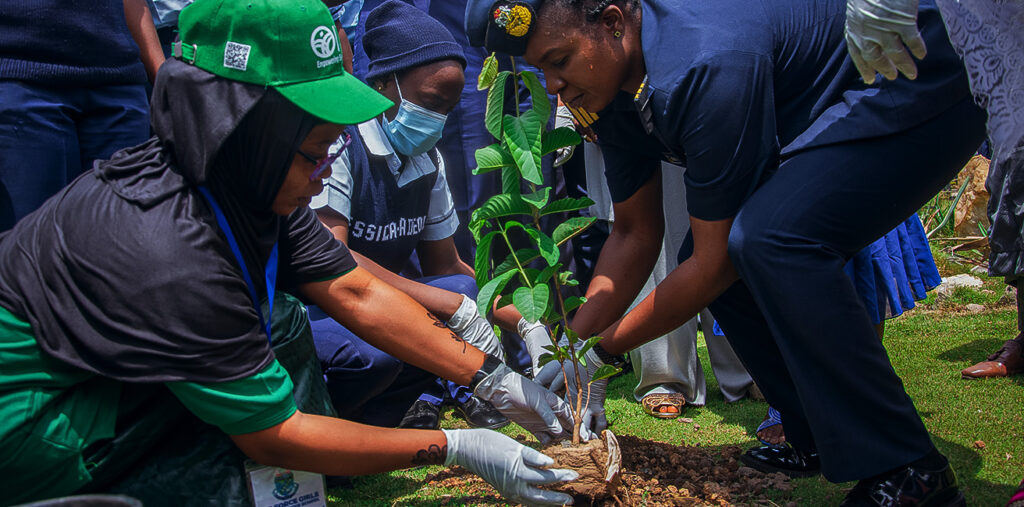
Tree planting is one of the most visible forms of environmental action.
Photos are taken. Seedlings are placed into the soil. Communities gather. It feels immediate and impactful.
But the real question is not how many trees are planted.
The real question is:
How many survive?
Planting Is the Beginning — Not the End
Across Nigeria, tree planting initiatives are increasing. This is encouraging. It shows growing awareness of climate responsibility and environmental restoration.
However, planting alone does not guarantee long-term impact.
Without structured monitoring systems, several risks emerge:
- Low survival rates
- Poor maintenance
- Resource wastage
- No measurable environmental data
- No accountability framework
Environmental restoration is not a one-day activity. It is a long-term commitment that requires discipline, tracking, and follow-through.
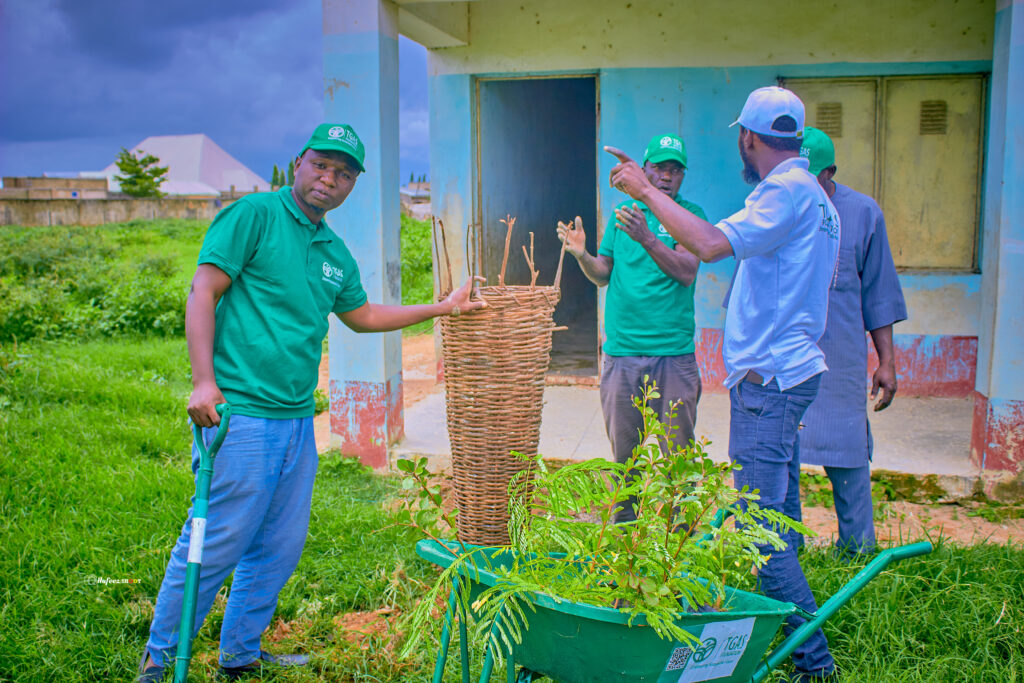
Why Survival Rate Matters
Survival rate is the true measure of environmental impact.
If 1,000 trees are planted but only 300 survive beyond the first year, the environmental benefit is drastically reduced.
Monitoring allows organisations to:
- Track growth over time
- Identify environmental challenges early
- Improve planting techniques
- Strengthen community ownership
- Measure carbon and ecosystem impact accurately
Sustainability must be measurable. Otherwise, it becomes symbolic.
The Cost of Unstructured Initiatives
Unmonitored planting programmes often face:
- Lack of watering plans
- Poor soil assessment
- Absence of post-planting supervision
- No accountability assigned to local stakeholders
When structure is missing, impact becomes inconsistent.
Environmental responsibility requires governance.
Structured Restoration: The TGAS Approach
At TGAS Foundation, environmental initiatives are designed with structure at the core.
Through the From Seeds to Trees (FST) initiative, planting is only one part of the process.
Equally important are:
- Monitoring frameworks
- Community engagement
- School-based oversight
- Survival tracking
- Long-term environmental reporting
Restoration must be intentional.
We believe that planting without monitoring is incomplete.
Monitoring without accountability is ineffective.
And accountability without structure is unsustainable.
Moving from Activity to Impact
Climate action must evolve from symbolic gestures to measurable systems.
Nigeria’s environmental future depends not only on how many trees are planted, but on how consistently they are protected, nurtured, and sustained.
Tree planting creates visibility.
Monitoring creates impact.
Environmental restoration requires patience, structure, and long-term commitment.
Because sustainability is not about numbers on planting day.
It is about measurable change over time.