
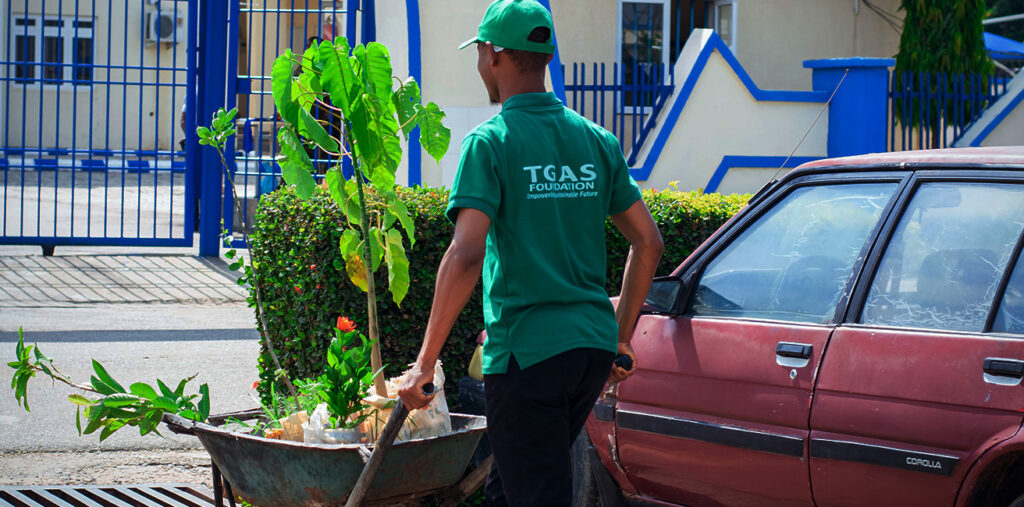
Environmental restoration is often viewed as a moral obligation.
But it is also an economic strategy.
Across Nigeria, rising temperatures, flooding, soil degradation, and declining biodiversity are not only environmental concerns. They are economic risks.
The question is no longer whether we can afford sustainability.
The question is whether we can afford to ignore it.
Environmental Degradation Is Expensive
When green spaces disappear, the consequences extend beyond the ecosystem.
Communities experience:
- Increased flood damage
- Reduced agricultural productivity
- Higher healthcare costs due to poor air quality
- Infrastructure strain from extreme weather
- Loss of livelihoods linked to land and biodiversity
Each of these outcomes carries financial implications for families, businesses, and governments.
Environmental decline weakens economic stability.
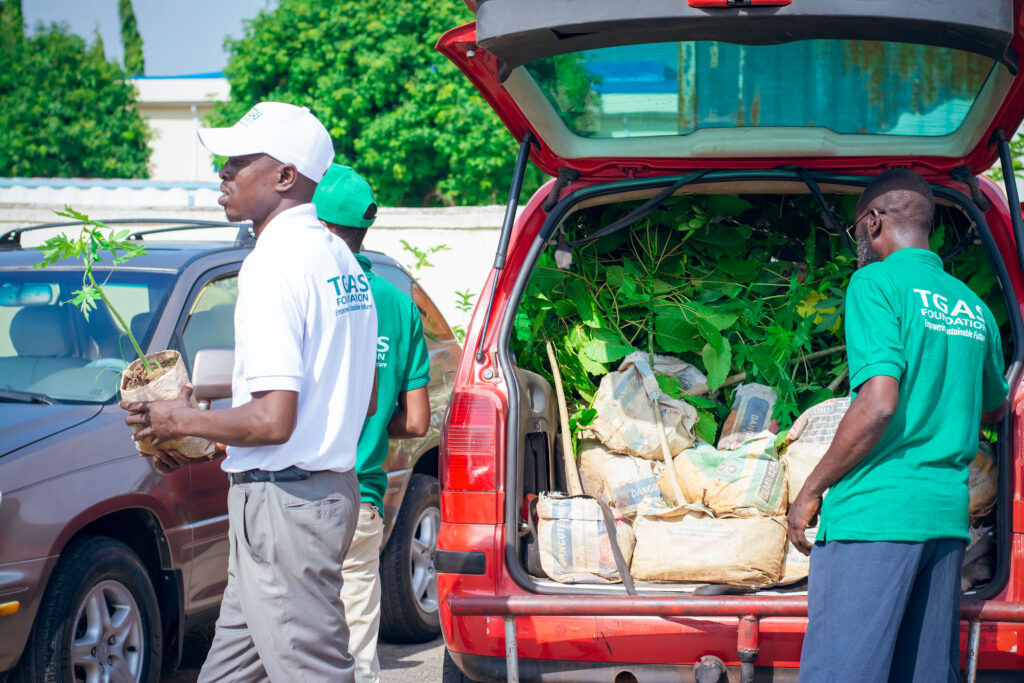
Restoration Strengthens Resilience
Tree planting and structured environmental programmes contribute to:
- Improved soil stability
- Reduced urban heat
- Better air quality
- Increased agricultural potential
- Stronger biodiversity systems
These benefits create long-term economic resilience.
Healthy ecosystems support food systems.
Stable climates reduce disaster costs.
Green spaces improve public health.
Environmental restoration reduces long-term expenditure while increasing long-term value.
Sustainability as Investment
Restoration initiatives require funding, coordination, and oversight.
However, the return on investment is significant.
When programmes are structured and monitored:
- Survival rates increase
- Resource efficiency improves
- Community participation strengthens outcomes
- Environmental gains become measurable
Sustainability is not a short-term campaign expense. It is long-term economic infrastructure.
The Role of Structured Programmes
Unstructured environmental efforts often fail to produce consistent results.
But structured initiatives with clear accountability systems create lasting value.
At TGAS Foundation, environmental restoration is approached as a disciplined framework, not a symbolic gesture.
Through the From Seeds to Trees initiative:
- Tree planting is aligned with monitoring
- Schools and communities are integrated into oversight
- Long-term survival is prioritised
- Measurable impact is tracked
Environmental responsibility must be organised, measurable, and accountable.
A Strategic Shift in Thinking
For sustainability to scale across Nigeria, the narrative must evolve.
Environmental restoration should not be positioned solely as charity or activism.
It must be recognised as:
- Risk mitigation
- Economic stabilisation
- Public health protection
- Long-term national resilience
Investment in green infrastructure strengthens both ecosystems and economies.
Moving Forward
Climate change and environmental degradation are already influencing economic performance globally.
Nigeria’s response must be structured, strategic, and forward-looking.
Restoring green spaces strengthens communities.
Strengthened communities support economic growth.
Environmental restoration is not simply about protecting nature.
It is about protecting the future.